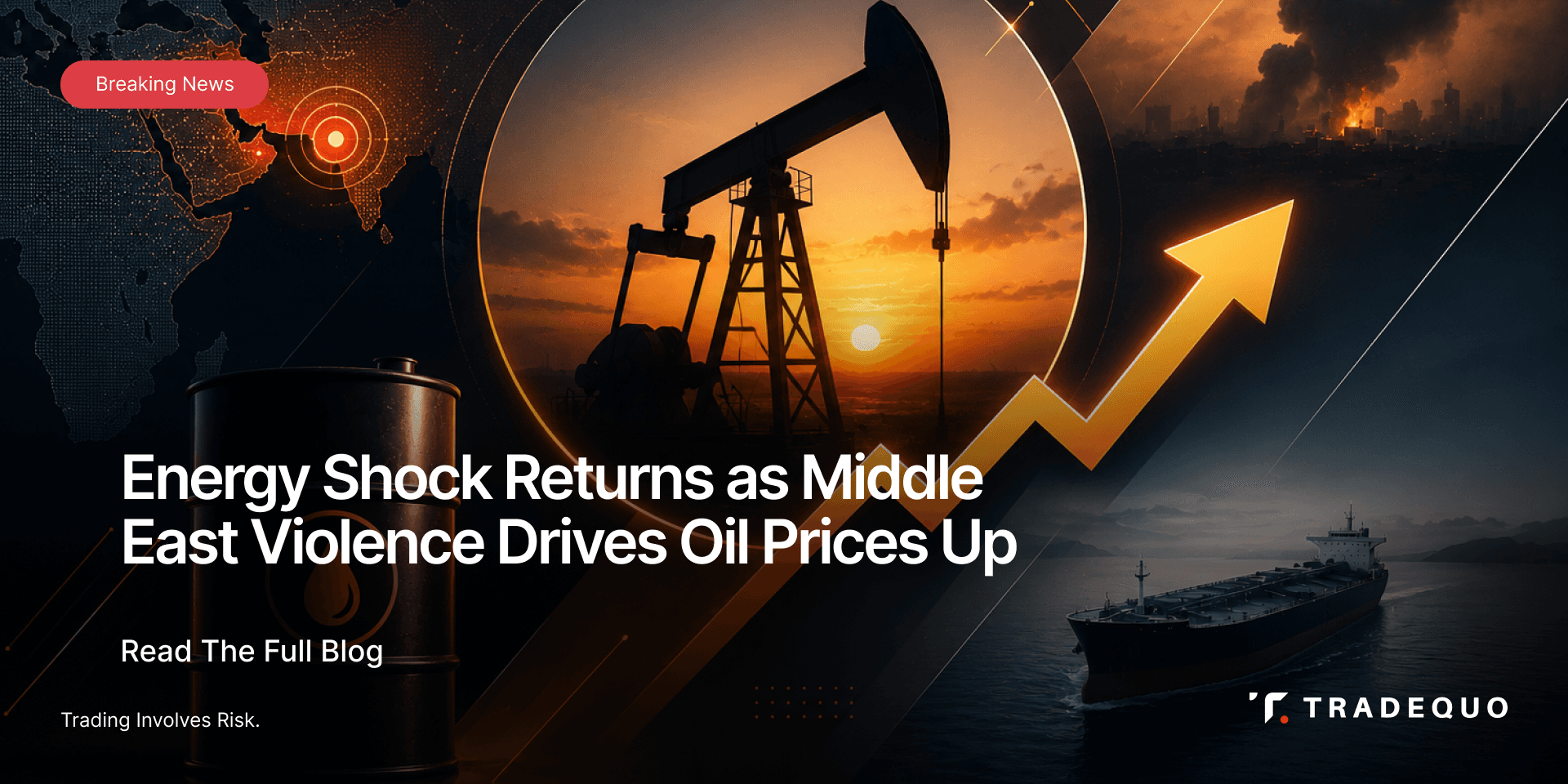
ปฏิบัติการทางทหารครั้งใหม่ที่เกี่ยวข้องกับอิสราเอล เลบานอน และอิหร่าน ส่งผลให้ราคาน้ำมันพุ่งสูงขึ้นอย่างรุนแรง ตอกย้ำความกังวลเกี่ยวกับปัญหาการหยุดชะงักของอุปทานทั่วโลกอีกครั้ง
ราคาน้ำมันพุ่งสูงขึ้นเมื่อวันจันทร์หลังจากอิสราเอลเปิดฉากการโจมตีครั้งใหม่ในกรุงเบรุต และมีรายงานข่าวเกี่ยวกับการระเบิดในหลายเมืองของอิหร่าน พัฒนาการดังกล่าวทำให้ความหวังในการยุติความขัดแย้งในภูมิภาคอย่างรวดเร็วลดน้อยลง และเพิ่มความกังวลเกี่ยวกับอุปทานน้ำมันที่ขนส่งผ่านช่องแคบฮอร์มุซ
รายละเอียดสำคัญ
สัญญาน้ำมันดิบเบรนท์ล่วงหน้าพุ่งขึ้น $3.20 หรือ 3.39% สู่ $96.24 ต่อบาร์เรล ขณะที่น้ำมันดิบของสหรัฐฯ เพิ่มขึ้น $2.87 หรือ 3.17% สู่ $93.41 ต่อบาร์เรล ณ เวลา 03:33 น. GMT
การฟื้นตัวดังกล่าวช่วยชดเชยการขาดทุนจากเมื่อวันศุกร์ ซึ่งเป็นช่วงที่ตลาดตอบรับในเชิงบวกต่อสัญญาณของการลดความตึงเครียดที่อาจเกิดขึ้นระหว่างสหรัฐอเมริกาและอิหร่าน นับตั้งแต่เดือนมีนาคม ราคาน้ำมันปรับตัวเพิ่มขึ้นมากกว่า 50% เนื่องจากความตึงเครียดทั่วทั้งภูมิภาคทวีความรุนแรงขึ้น
สื่อท้องถิ่นรายงานเหตุระเบิดในกรุงเตหะราน ทาบริซ และอิสฟาฮัน เมื่อช่วงเช้าวันจันทร์ ขณะเดียวกัน อิหร่านได้ยิงขีปนาวุธเข้าใส่เป้าหมายของอิสราเอลเมื่อวันอาทิตย์ เพื่อตอบโต้ปฏิบัติการทางทหารของอิสราเอล
แม้ว่าจะมีการยกระดับความรุนแรงล่าสุด แต่ประธานาธิบดีโดนัลด์ ทรัมป์ ของสหรัฐฯ กล่าวว่า ข้อตกลงสันติภาพในวงกว้างยังคงเป็นไปได้ และมีรายงานว่าได้กระตุ้นให้นายกรัฐมนตรีเบนจามิน เนทันยาฮู ของอิสราเอล หลีกเลี่ยงการโจมตีเพิ่มเติม
OPEC+ ยังตกลงที่จะเพิ่มการผลิตน้ำมันเป็นครั้งที่สี่ในรอบสี่เดือน อย่างไรก็ตาม นักวิเคราะห์กล่าวว่าการเพิ่มขึ้นดังกล่าวไม่น่าจะช่วยเพิ่มอุปทานได้อย่างมีนัยสำคัญ เนื่องจากผู้ผลิตหลายรายกำลังประสบปัญหาในการบรรลุเป้าหมายการผลิตอันเนื่องมาจากการหยุดชะงักอย่างต่อเนื่องบริเวณช่องแคบฮอร์มุซและความเสียหายของโครงสร้างพื้นฐานในรัสเซีย
ปฏิกิริยาของตลาด
ตลาดพลังงานนำการปรับตัวสูงขึ้น โดยราคาน้ำมันปรับตัวขึ้นอย่างแข็งแกร่ง ความเสี่ยงทางภูมิรัฐศาสตร์ที่เพิ่มขึ้นอาจช่วยสนับสนุนสินทรัพย์ปลอดภัยด้วยเช่นกัน ในขณะที่ตลาดหุ้นอาจเผชิญกับแรงกดดันหากต้นทุนพลังงานยังคงปรับตัวสูงขึ้นอย่างต่อเนื่อง ส่วนตลาดคริปโตยังคงมุ่งเน้นไปที่ความเชื่อมั่นต่อความเสี่ยงในวงกว้าง
ทำไมเรื่องนี้ถึงสำคัญ
สำหรับเทรดเดอร์ ช่องแคบฮอร์มุซยังคงเป็นความเสี่ยงหลัก ภัยคุกคามใดๆ ต่อการขนส่งผ่านเส้นทางดังกล่าว ซึ่งรองรับอุปทานน้ำมันทั่วโลกประมาณหนึ่งในห้า สามารถขับเคลื่อนความผันผวนของสินค้าโภคภัณฑ์ สกุลเงิน และหุ้นได้อย่างรวดเร็ว
ตลาดจะเฝ้าจับตาพัฒนาการระหว่างอิสราเอล อิหร่าน และเลบานอนอย่างใกล้ชิด ควบคู่ไปกับความคืบหน้าทางการทูตจากวอชิงตัน นอกจากนี้ เทรดเดอร์ยังจะคอยตรวจสอบว่าการเพิ่มกำลังการผลิตของ OPEC+ จะสามารถชดเชยความกังวลเรื่องอุปทานที่กำลังดำเนินอยู่ได้หรือไม่
ก้าวล้ำหน้าทุกพาดหัวข่าวที่ขับเคลื่อนตลาด - เริ่มต้นการซื้อขายกับโบรกเกอร์ที่สร้างขึ้นเพื่อช่วงเวลาเช่นนี้: TradeQuo.com