บทนำ
ประเทศญี่ปุ่นมีประวัติศาสตร์ที่ซับซ้อนเกี่ยวกับสกุลเงินคริปโต การล่มสลายของ Mt. Gox ในปี 2014 ส่งผลให้เกิดความสูญเสียตามรายงานมากกว่า $460 ล้านดอลลาร์สหรัฐ การแฮ็ก Coincheck ในปี 2018 ทำให้ลูกค้าสูญเสียเงินถึง 58,000 ล้านเยน เหตุการณ์เหล่านี้ผลักดันให้หน่วยงานกำกับดูแลหันมาควบคุมดูแลอย่างเข้มงวด ทำให้ญี่ปุ่นเป็นประเทศแรก ๆ ที่ออกใบอนุญาตให้บริการกระดานซื้อขายคริปโตภายใต้กฎหมายระดับประเทศ
อย่างไรก็ตาม ความระมัดระวังด้านกฎระเบียบแบบเดียวกันนั้นก็ส่งผลให้การใช้คริปโตเพื่อการทำธุรกรรมทั่วไปมีข้อจำกัดเช่นกัน ความผันผวนของราคา Bitcoin ทำให้ไม่สามารถนำมาใช้ในการซื้อของในชีวิตประจำวันได้จริง กาแฟหนึ่งแก้วราคา 500 เยนในสกุลเงิน BTC อาจมีมูลค่า 550 เยนหรือ 450 เยน ขึ้นอยู่กับช่วงเวลา สำหรับผู้บริโภคและธุรกิจชาวญี่ปุ่น ความผันผวนนี้ถือเป็นอุปสรรคสำคัญที่ยอมรับไม่ได้
JPYC คือสเตเบิลคอยน์ (Stablecoin) ที่ออกแบบมาเพื่อแก้ปัญหานี้ โดยไม่ได้จัดอยู่ในประเภทสกุลเงินคริปโตตามการจำแนกประเภททางกฎหมายของญี่ปุ่น แต่โทเคน JPYC แต่ละเหรียญจะได้รับการสนับสนุนแบบ 1:1 ด้วยทุนสำรองเงินเยนของญี่ปุ่น และ 1 JPYC จะมีมูลค่าเท่ากับ 1 เยนเสมอ บริษัท JPYC Inc. ได้เปิดตัวโทเคนนี้ในปี 2021 โดยในระยะแรกอยู่ในฐานะตราสารการชำระเงินล่วงหน้า (Prepaid Payment Instrument) และในเดือนตุลาคม 2025 JPYC ได้กลายเป็นสเตเบิลคอยน์อิงมูลค่าเงินเยนภายใต้การกำกับดูแลรายแรกของญี่ปุ่นภายใต้พระราชบัญญัติบริการการชำระเงินฉบับปรับปรุง
JPYC คืออะไร? แนวคิดพื้นฐานและภูมิหลัง
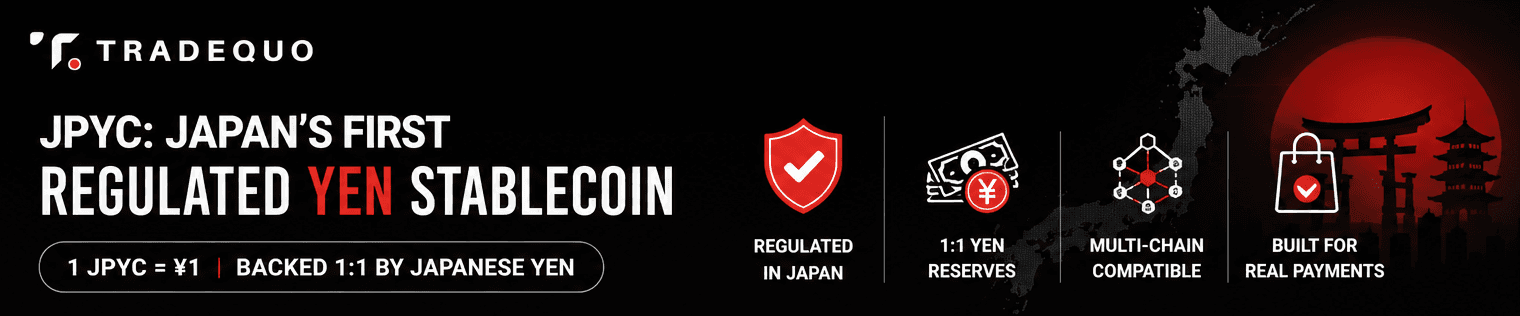
JPYC คือดิจิทัลโทเคนที่ผูกกับค่าเงินเยนของญี่ปุ่น โดย 1 JPYC มีมูลค่าเท่ากับ 1 เยน สร้างขึ้นเพื่อการชำระเงิน การโอนเงิน และบริการออนไลน์ JPYC ถือเป็นสเตเบิลคอยน์อิงมูลค่าเงินเยนรายแรกของญี่ปุ่น
โทเคนนี้มีสองเวอร์ชัน "JPYC Prepaid" ซึ่งเปิดตัวประมาณปี 2021 ได้รับการจัดหมวดหมู่เป็นตราสารการชำระเงินล่วงหน้าภายใต้กฎหมายญี่ปุ่น ภายในเดือนพฤศจิกายน 2024 ยอดการออกโทเคนทั้งหมดทะลุ 3,000 ล้านเยน ส่วนเวอร์ชันใหม่กว่าซึ่งเรียกสั้น ๆ ว่า "JPYC" เป็นสเตเบิลคอยน์ภายใต้การกำกับดูแลที่ได้รับการสนับสนุนแบบ 1:1 ด้วยทุนสำรองเงินเยนของญี่ปุ่นและพันธบัตรรัฐบาลญี่ปุ่น พร้อมสิทธิ์ในการไถ่ถอนคืนเต็มจำนวนภายใต้พระราชบัญญัติบริการการชำระเงิน
JPYC Inc. เป็นบริษัทสัญชาติญี่ปุ่นที่มีสำนักงานตั้งอยู่ในโตเกียว ก่อตั้งขึ้นในปี 2019 นำโดย CEO Noritaka Okabe ผู้ร่วมลงทุน ได้แก่ Circle (ผู้ออกเหรียญ USDC) และองค์กรธุรกิจของญี่ปุ่น JPYC ได้ประกาศว่ายอดระดมทุนในรอบ Series B มีมูลค่าสะสมรวมประมาณ 6,000 ล้านเยนในเดือนสิงหาคม 2026
JPYC ทำงานบนบล็อกเชนหลากหลายเครือข่าย รวมถึง Ethereum, Polygon, Avalanche และ Kaia โดยใช้มาตรฐาน ERC-20
การตรึงมูลค่า (Peg): 1 JPYC = 1 เยน
การออกแบบ: ไม่เน้นการเก็งกำไร สร้างขึ้นเพื่อการชำระเงินโดยเฉพาะ
เชนที่รองรับ: Ethereum, Polygon, Avalanche, Kaia
จุดเน้นหลัก: การชำระเงินภายในประเทศญี่ปุ่นและเงินดิจิทัล
กลไกการทำงานของ JPYC: การตรึงมูลค่า ทุนสำรอง และการออกแบบให้รองรับหลายบล็อกเชน
โทเคน JPYC แต่ละเหรียญจะได้รับการหนุนหลังแบบ 1:1 โดยทุนสำรองเงินเยนญี่ปุ่นที่เก็บรักษาไว้ในบัญชีทรัสต์หรือบัญชีแยกต่างหาก สินทรัพย์สำรองประกอบด้วยเงินสดสกุลเงินเยนและเครื่องมือทางการเงินที่มีสภาพคล่องและปลอดภัย เช่น พันธบัตรรัฐบาลญี่ปุ่น ตามกฎหมายแล้ว สินทรัพย์เหล่านี้จะต้องถูกแยกออกจากเงินทุนดำเนินงานของบริษัท JPYC Inc. เพื่อให้ผู้ถือ JPYC สามารถเรียกคืนเงินเยนได้ แม้ว่าผู้ออกเหรียญจะตกอยู่ในภาวะล้มละลายก็ตาม
วงจรการออกและการไถ่ถอนเหรียญจะดำเนินการผ่าน JPYC EX ซึ่งเป็นแพลตฟอร์มอย่างเป็นทางการ:
ผู้ใช้ทำการยืนยันตัวตน (eKYC) ลงทะเบียนบัญชีธนาคารและที่อยู่กระเป๋าเงิน (Wallet)
ผู้ใช้โอนเงินเยนไปยังบัญชีที่กำหนดของ JPYC Inc. จากนั้นโทเคน JPYC จะถูกสร้างขึ้น (Mint) และส่งไปยังกระเป๋าเงินของผู้ใช้
ในการไถ่ถอนคืน ผู้ใช้จะส่ง JPYC กลับมาจากกระเป๋าเงินที่ลงทะเบียนไว้ และหลังจากผ่านการตรวจสอบ AML (การป้องกันและปราบปรามการฟอกเงิน) เงินเยนจะถูกโอนกลับคืนไปยังบัญชีธนาคาร
JPYC ดำเนินการภายใต้ใบอนุญาตการโอนเงินประเภทที่ 2 (Type II funds transfer license) โดยจำกัดวงเงินสูงสุด 1 ล้านเยนต่อหนึ่งรายการธุรกรรม ณ ช่วงกลางปี 2026 อุปทานทั้งหมดอยู่ที่ประมาณ 8.8 พันล้าน JPYC โดยมีประมาณ 2.786 พันล้าน JPYC ที่หมุนเวียนใช้งานอยู่บนบล็อกเชนสาธารณะต่าง ๆ JPYC ช่วยให้สามารถทำฟังก์ชันการชำระเงินแบบอัตโนมัติได้เนื่องจากมีคุณสมบัติที่สามารถเขียนโปรแกรมสั่งการได้ โดยอุปทานจะขยายหรือหดตัวตามความต้องการของผู้ใช้งาน แทนที่จะลอยตัวตามกลไกตลาดเปิด
กรอบกฎหมาย: เหตุใด JPYC จึงเป็น "สเตเบิลคอยน์ภายใต้การกำกับดูแล" ในญี่ปุ่น
ในเดือนมิถุนายน 2022 สภานิติบัญญัติของญี่ปุ่นได้แก้ไขพระราชบัญญัติบริการการชำระเงินเพื่อกำหนดให้สเตเบิลคอยน์เป็น "เครื่องมือการชำระเงินทางอิเล็กทรอนิกส์" แทนที่จะเป็นสินทรัพย์คริปโต พระราชบัญญัติบริการการชำระเงินฉบับปรับปรุงของญี่ปุ่นได้เข้ามาควบคุมดูแลสเตเบิลคอยน์ตั้งแต่ปี 2023 โดยสร้างภาระผูกพันเกี่ยวกับเงินสำรอง การไถ่ถอน และการคุ้มครองผู้บริโภคซึ่งไม่เคยมีผลบังคับใช้มาก่อนหน้านี้
JPYC ในรูปแบบแรกสุดถูกจัดประเภทเป็นตราสารการชำระเงินล่วงหน้า JPYC ได้ผ่านการเปลี่ยนผ่านจากโมเดลการจ่ายเงินล่วงหน้าไปสู่สินทรัพย์ดิจิทัลที่ได้รับใบอนุญาตอย่างเต็มรูปแบบภายใต้ระบบการกำกับดูแลใหม่ สำนักงานบริการทางการเงิน (FSA) ได้อนุมัติ JPYC ให้เป็นสเตเบิลคอยน์ภายใต้การกำกับดูแลรายแรกของญี่ปุ่น ซึ่งทำให้ผู้ถือ JPYC ได้รับการคุ้มครองทางกฎหมายที่ชัดเจน: รับประกันการไถ่ถอนคืนที่มูลค่า 1 เยน, มีการสำรองมูลค่าหนุนหลัง 100% และมีการแยกสินทรัพย์อย่างชัดเจน
กรอบการกำกับดูแลของญี่ปุ่นอนุญาตให้ธนาคารและผู้ให้บริการโอนเงินสามารถออกสเตเบิลคอยน์ได้ JPYC ปฏิบัติตามพระราชบัญญัติบริการการชำระเงินของญี่ปุ่นในฐานะเครื่องมือการชำระเงินทางอิเล็กทรอนิกส์ JPYC ต้องปฏิบัติตามกฎระเบียบ KYC และ AML ในญี่ปุ่น รวมถึงข้อกำหนดเกณฑ์การส่งผ่านข้อมูล (Travel Rule) สำหรับการโอนเงินกับคู่ค้าต่างประเทศ
เนื่องจาก JPYC ไม่ได้จัดประเภทเป็นสกุลเงินคริปโตในญี่ปุ่น จึงไม่อยู่ภายใต้กฎเกณฑ์ด้านภาษีและการเก็บรักษาที่ใช้กับสินทรัพย์คริปโตอย่าง Bitcoin ข้อแตกต่างนี้มีความสำคัญต่อการปฏิบัติตามกฎระเบียบ ธุรกิจที่ผสานรวม JPYC เข้ากับระบบจะเผชิญกับความไม่แน่นอนทางกฎหมายน้อยกว่าธุรกิจที่จัดการกับสินทรัพย์ดิจิทัลที่มีความผันผวนสูง
JPYC กับ CBDC (เงินเยนดิจิทัล) และสเตเบิลคอยน์ภายใต้การกำกับดูแลอื่น ๆ
JPYC ออกโดยภาคเอกชน ส่วนเงินเยนดิจิทัลของธนาคารกลางญี่ปุ่นในอนาคตจะเป็นเงินที่ออกโดยธนาคารกลาง ทั้งสองส่วนนี้เป็นส่วนหนึ่งของกลยุทธ์การเงินดิจิทัลในวงกว้างของญี่ปุ่น และผลวิเคราะห์ของ IMF จากปี 2026 คาดการณ์ว่าจะมีการใช้งานร่วมกันระหว่างสเตเบิลคอยน์ภายใต้การกำกับดูแลของเอกชน สเตเบิลคอยน์ของธนาคาร (เช่น DCJPY) และ CBDC ที่อาจเกิดขึ้นในอนาคต
JPYC สามารถเชื่อมโยงการเงินแบบดั้งเดิมเข้ากับระบบเศรษฐกิจแบบกระจายศูนย์ (Decentralized Economy) ข้อได้เปรียบเหนือทางเลือกที่ออกโดยธนาคารคือการเข้าถึงได้หลากหลายบล็อกเชน การผสานรวมกับ Web3 และเครื่องมือที่เป็นมิตรต่อผู้พัฒนา ส่วนสเตเบิลคอยน์ต่างประเทศเช่น USDT และ USDC ต้องเผชิญกับข้อจำกัดเพิ่มเติมภายใต้กฎหมายญี่ปุ่น ทำให้โทเคนที่ออกภายในประเทศอย่าง JPYC มีข้อได้เปรียบในเรื่องการปฏิบัติตามกฎหมาย
JPYC กับสเตเบิลคอยน์ระดับโลก (USDT, USDC): เหตุใดการผูกมูลค่ากับเงินเยนจึงมีความสำคัญ

สเตเบิลคอยน์ระดับโลกส่วนใหญ่จะผูกมูลค่าไว้กับดอลลาร์สหรัฐ สำหรับผู้ใช้ชาวญี่ปุ่น นั่นทำให้เกิดปัญหาสำคัญสองประการ ได้แก่ ค่าธรรมเนียมในการแปลงสกุลเงิน และความเสี่ยงจากความผันผวนของอัตราแลกเปลี่ยนดอลลาร์-เยน เมื่ออัตราแลกเปลี่ยน USD/JPY เคลื่อนไหวจาก 110 เยน ไปเป็น 160 เยน ในช่วงปี 2021 ถึง 2024 ผู้ถือครอง USDC ชาวญี่ปุ่นจะพบว่ามูลค่าที่เทียบเท่าเงินเยนของตนมีความผันผวนไปตามตลาดอัตราแลกเปลี่ยน ไม่ใช่แค่ตลาดคริปโตเท่านั้น
JPYC ช่วยขจัดความเสี่ยงดังกล่าว เนื่องจากราคาถูกล็อกไว้กับเงินเยน ผู้ใช้และบริษัทที่ทำธุรกรรมภายในประเทศจึงหลีกเลี่ยงความเสี่ยงจากอัตราแลกเปลี่ยนได้อย่างสิ้นเชิง JPYC ช่วยลดการพึ่งพาสเตเบิลคอยน์สกุลเงินดอลลาร์สหรัฐในประเทศญี่ปุ่น
ความเสี่ยงจากอัตราแลกเปลี่ยน: JPYC = ศูนย์; USDT/USDC = มีความเสี่ยงต่อการเคลื่อนไหวของคู่เงิน USD/JPY
ความสอดคล้องด้านกฎระเบียบ: JPYC ถูกสร้างขึ้นมาเพื่อกรอบกฎหมายของญี่ปุ่นโดยเฉพาะ ขณะที่ผู้ออกเหรียญต่างประเทศต้องเผชิญกับขั้นตอนการจดทะเบียนเพิ่มเติมที่ยุ่งยาก
กรณีการใช้งาน: JPYC มุ่งเป้าไปที่การชำระเงินภายในประเทศและการโอนเงินแบบบุคคลถึงบุคคล (P2P) ส่วน USDT/USDC มุ่งเป้าไปที่ DeFi ระดับโลกและการซื้อขายข้ามพรมแดน
ทิศทางเป้าหมาย: ตลาดค้าปลีกและองค์กรธุรกิจในประเทศ เทียบกับ สภาพคล่องในระดับโลก
กรณีการใช้งานจริงในชีวิตประจำวัน: ตั้งแต่การช็อปปิ้งทั่วไปไปจนถึงการชำระเงินทางธุรกิจ
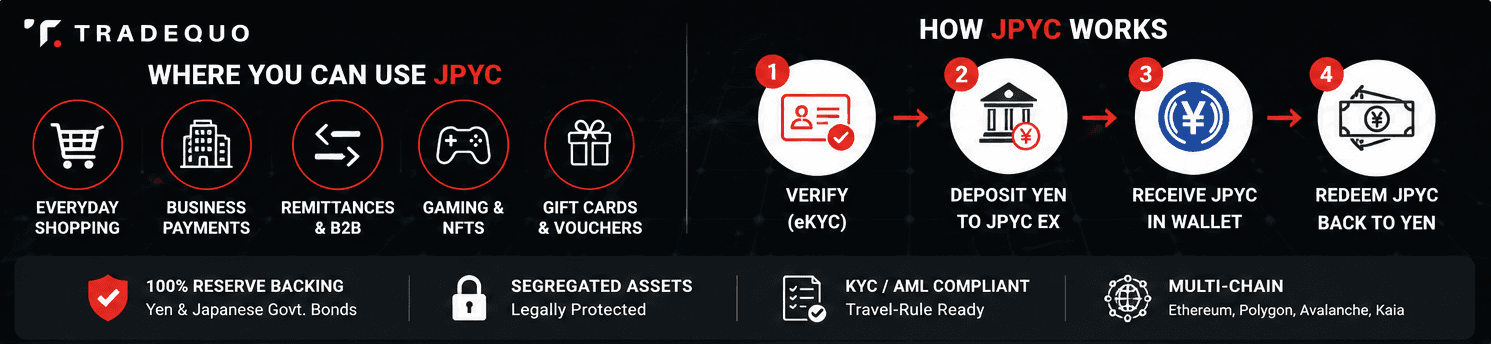
JPYC สามารถใช้สำหรับการช็อปปิ้งในชีวิตประจำวันผ่านบัตรของขวัญ ผู้ใช้สามารถแปลง JPYC เป็นบัตรกำนัลดิจิทัลผ่านบริการต่าง ๆ เช่น Giftee Box เพื่อนำไปใช้จ่ายที่ร้านสะดวกซื้อ ซูเปอร์มาร์เก็ต และแพลตฟอร์มอีคอมเมิร์ซ ภายในโลก Web3 JPYC ปรากฏอยู่ในเกม แพลตฟอร์มซื้อขาย NFT การให้ทิป และการสนับสนุนการแข่งขันอีสปอร์ตที่ผู้สนับสนุนจะวางเดิมพันหรือจ่ายเงินด้วย JPYC
สำหรับธุรกิจ JPYC ช่วยให้การชำระเงินรวดเร็วขึ้นและมีค่าธรรมเนียมที่ถูกกว่าระบบธนาคารแบบดั้งเดิม JPYC สามารถใช้สำหรับการโอนเงินและการทำธุรกรรมแบบ B2B ที่มีการชำระดุลเสร็จสิ้นภายในวันเดียวกัน แทนที่จะต้องใช้เวลาดำเนินการโอนเงินผ่านธนาคารหลายวัน JPYC ช่วยเพิ่มความคล่องตัวในการชำระเงินขององค์กรและลดค่าธรรมเนียมการทำธุรกรรมเมื่อเทียบกับการโอนเงินระหว่างธนาคารแบบเดิม
การรองรับหลายบล็อกเชนช่วยให้บริษัทต่าง ๆ สามารถผสานรวม JPYC เข้ากับ dApps บน Ethereum หรือ Polygon ที่มีอยู่ และเครื่องมือทางบัญชีได้ ทั้งหมดนี้ดำเนินการภายใต้กรอบกฎหมาย ซึ่งมีความสำคัญอย่างยิ่งสำหรับสถาบันการเงินและองค์กรธุรกิจที่ต้องการความสามารถในการตรวจสอบบัญชีได้
ความเสี่ยง ข้อจำกัด และสิ่งที่คุณควรระวัง
ปัจจุบันปริมาณการหมุนเวียนของ JPYC อยู่ที่ประมาณ 2.786 พันล้านเยน ซึ่งถือว่ายังมีขนาดเล็ก ผู้ใช้ที่ตระหนักถึงสภาพคล่องที่เบาบางบนกระดานซื้อขายแบบกระจายศูนย์ (DEX) อาจพบปัญหาความคลาดเคลื่อนของราคา (Slippage) เมื่อทำการแลกเปลี่ยน JPYC เป็นโทเคนอื่น ๆ นอกจากนี้ การยอมรับจากร้านค้ายังจำกัดอยู่เฉพาะเครือข่ายพันธมิตร งานกิจกรรม และบริการ Web3 บางประเภทเท่านั้น
การออกแบบให้รองรับหลายบล็อกเชนนำมาซึ่งความซับซ้อนทางเทคนิค ปัญหาเครือข่ายขัดข้อง ค่าแก๊ส (Gas Fee) ที่สูงบน Ethereum หรือข้อผิดพลาดของสัญญาอัจฉริยะ (Smart Contract) อาจทำให้การทำธุรกรรมหยุดชะงักชั่วคราว ผู้ใช้ต้องจัดการความปลอดภัยของกระเป๋าเงินอย่างระมัดระวัง และตรวจสอบว่าพวกเขากำลังทำธุรกรรมกับสัญญาโทเคนอย่างเป็นทางการ การใช้บริการสะพานเชื่อมบล็อกเชน (Bridge) ที่เลิกใช้งานแล้วหรือใช้เวอร์ชันโทเคนที่ไม่ถูกต้อง (Prepaid เทียบกับ ภายใต้การกำกับดูแล) อาจส่งผลให้เงินติดค้างในระบบได้
แม้ว่ากฎหมายจะกำหนดให้ต้องมีเงินสำรองและการตรวจสอบบัญชี แต่ผู้ใช้ก็ยังคงต้องให้ความไว้วางใจในบริษัท JPYC Inc. และผู้รับฝากสินทรัพย์ นอกจากนี้ กฎระเบียบในญี่ปุ่นอาจมีความเข้มงวดมากขึ้นในอนาคต JPYC ตั้งเป้าที่จะมีปริมาณการหมุนเวียน 10 ล้านล้านเยนภายในสามปีนับจากการเปิดตัว ทว่าการยอมรับของผู้ใช้และพื้นที่ในการเติบโตจะสามารถรองรับเป้าหมายนั้นได้หรือไม่ ยังคงเป็นคำถามที่ต้องติดตามกันต่อไป
วิธีรับและใช้งาน JPYC อย่างปลอดภัย
ช่องทางการจัดหา:
ซื้อ JPYC ด้วยเงินเยนผ่าน JPYC EX (ต้องผ่านการตรวจสอบยืนยันตัวตน KYC ของญี่ปุ่น โดยมักใช้บัตร My Number)
แลกเปลี่ยนจากสินทรัพย์คริปโตอื่น ๆ (ETH, MATIC) บน DEX ที่รองรับ เช่น QuickSwap บน Polygon
การตั้งค่ากระเป๋าเงิน:
ใช้กระเป๋าเงินแบบที่ผู้ใช้ดูแลคีย์เอง (Non-Custodial Wallet เช่น MetaMask หรือกระเป๋าเงินบนมือถือที่รองรับการใช้งานในญี่ปุ่น) ซึ่งรองรับเครือข่าย Ethereum, Polygon หรือ Avalanche
จัดเก็บวลีกู้คืน (Seed Phrase) อย่างปลอดภัย ตรวจสอบที่อยู่สัญญา (Contract Address) ของ JPYC จากแหล่งข้อมูลอย่างเป็นทางการ
ขั้นตอนการใช้งาน: ฝากเงินเยน → รับ JPYC → นำไปใช้จ่ายกับอีคอมเมิร์ซ บัตรของขวัญ หรือแอป Web3 → ไถ่ถอน JPYC กลับเป็นเงินเยนได้ตามต้องการ
การแลกเปลี่ยนคริปโตเป็นคริปโต และผลกำไรที่เกี่ยวข้องกับ JPYC อาจต้องเสียภาษีในญี่ปุ่น โปรดศึกษาคำแนะนำด้านภาษีฉบับปัจจุบันหรือปรึกษาผู้เชี่ยวชาญก่อนทำการซื้อขาย
แนวโน้มในอนาคต: JPYC และระบบนิเวศการเงินดิจิทัลของญี่ปุ่น
JPYC มีเป้าหมายที่จะกระชับการผสานรวมเข้ากับโครงสร้างพื้นฐานทางการเงินกระแสหลักในช่วงสองปีข้างหน้า กรณีการใช้งานที่คาดว่าจะเกิดขึ้นภายในปี 2028 ได้แก่ การจ่ายเงินเดือน การเรียกเก็บเงินค่าบริการรายเดือน และระบบบัตรกำนัลดิจิทัลของเทศบาล JPYC มุ่งมั่นที่จะอำนวยความสะดวกในการชำระเงินข้ามพรมแดนโดยใช้เงินเยน โดยเฉพาะอย่างยิ่งสำหรับการชำระบัญชีแบบ B2B ในเอเชีย ซึ่งคู่ค้าต้องการให้เรียกเก็บเงินเป็นสกุลเงินเยน ซึ่งจะช่วยลดอุปสรรคและขั้นตอนในการโอนเงินระหว่างประเทศ
ขณะเดียวกัน คู่แข่งรายอื่น ๆ ก็กำลังเข้าสู่ตลาดเช่นกัน เช่น SBI และ Startale ได้เปิดตัว JPYSC ซึ่งเป็นสเตเบิลคอยน์สกุลเงินเยนที่ได้รับการสนับสนุนโดยทรัสต์ และประเทศอื่น ๆ รวมถึงสิงคโปร์ กำลังเฝ้าดูกลยุทธ์ของญี่ปุ่นในการควบคุมดูแลสเตเบิลคอยน์เพื่อใช้เป็นพิมพ์เขียวที่เป็นไปได้ การพิสูจน์ยืนยันเงินสำรองที่บ่อยขึ้น แดชบอร์ดแสดงความโปร่งใส และมาตรฐานการทำงานร่วมกันข้ามบล็อกเชน (Cross-chain Interoperability) อาจช่วยเพิ่มความน่าเชื่อถือและการยอมรับให้มากยิ่งขึ้น
JPYC อยู่ที่จุดตัดระหว่างเทคโนโลยีบล็อกเชนและกฎระเบียบของญี่ปุ่น คุณค่าของมันไม่ได้อยู่ที่นวัตกรรมเพียงเพื่อสร้างความแปลกใหม่ แต่อยู่ที่การทำให้เงินดิจิทัลสามารถใช้งานได้จริงสำหรับผู้คนและบริษัทที่ใช้เงินเยนในทุก ๆ วัน นับเป็นครั้งแรกที่ญี่ปุ่นมีโทเคนเงินเยนที่อยู่ภายใต้การกำกับดูแลและสามารถเขียนโปรแกรมสั่งการได้ ซึ่งอาจเปลี่ยนผ่านคริปโตจากการเก็งกำไรไปสู่การค้าขายในชีวิตประจำวัน
FAQ
ในญี่ปุ่น JPYC ถือเป็นสกุลเงินคริปโตหรือเงินอิเล็กทรอนิกส์?
JPYC ไม่ได้จัดประเภทเป็นสกุลเงินคริปโตในญี่ปุ่น โดย JPYC Prepaid ในเวอร์ชันก่อนหน้าเป็นตราสารการชำระเงินล่วงหน้าภายใต้พระราชบัญญัติบริการการชำระเงิน ส่วน JPYC stablecoin เวอร์ชันใหม่กว่าถูกจัดประเภทเป็น "เครื่องมือการชำระเงินทางอิเล็กทรอนิกส์" ซึ่งเป็นหมวดหมู่ที่สร้างขึ้นโดยการปรับปรุงกฎหมายของญี่ปุ่นในปี 2022-2023 การจัดประเภทนี้มีผลต่อวิธีการกำกับดูแลเงินสำรอง วิธีการดูแลรักษาทรัพย์สิน และวิธีที่ธุรกิจผสานรวมโทเคนนี้เข้ากับระบบของตน
ผู้ที่ไม่ได้พำนักอยู่ในญี่ปุ่นสามารถใช้งาน JPYC อย่างถูกกฎหมายได้หรือไม่?
ใครก็ตามที่มีกระเป๋าเงินคริปโตที่เข้ากันได้สามารถถือครอง JPYC บนบล็อกเชนได้ อย่างไรก็ตาม การซื้อและไถ่ถอนโดยตรงผ่าน JPYC EX จำเป็นต้องผ่านการยืนยันตัวตนของญี่ปุ่น (โดยทั่วไปคือบัตร My Number) และต้องมีบัญชีธนาคารญี่ปุ่นที่ลงทะเบียนไว้ ผู้ที่ไม่ได้พำนักอยู่ในญี่ปุ่นควรตรวจสอบกฎการเข้าใช้งานบน JPYC อย่างเป็นทางการหรือแพลตฟอร์มพันธมิตรก่อนที่จะพยายามซื้อหรือไถ่ถอน
JPYC แตกต่างจากคะแนนสะสมหรือบัตรเติมเงินทั่วไปอย่างไร?
JPYC เป็นโทเคนบนบล็อกเชนที่สามารถโอนย้ายและใช้งานร่วมกับบริการและเครือข่ายต่าง ๆ ได้มากมาย แตกต่างจากคะแนนสะสมของร้านค้าที่ถูกจำกัดให้ใช้ได้เฉพาะร้านค้าแห่งเดียว JPYC ได้รับการออกแบบมาให้สามารถไถ่ถอนกลับเป็นเงินที่ชำระหนี้ได้ตามกฎหมายภายใต้กฎเกณฑ์ทางกฎหมายที่ชัดเจน และได้รับการหนุนหลังด้วยสินทรัพย์สำรองที่แยกต่างหาก นอกจากนี้ คุณสมบัติที่สามารถเขียนโปรแกรมสั่งการได้ยังช่วยให้สามารถกำหนดเงื่อนไขการดูแลทรัพย์สิน (Escrow) และระบบการชำระเงินแบบอัตโนมัติซึ่งคะแนนสะสมของร้านค้าทั่วไปไม่สามารถทำได้
จะเกิดอะไรขึ้นหากบล็อกเชนที่ JPYC ใช้งานอยู่ประสบปัญหาทางเทคนิค?
ความหนาแน่นของเครือข่าย ค่าแก๊สที่สูง หรือระบบขัดข้องชั่วคราวบนบล็อกเชนใดบล็อกเชนหนึ่งอาจทำให้การทำธุรกรรม JPYC ล่าช้า เนื่องจาก JPYC ทำงานบนเครือข่ายที่หลากหลาย (Ethereum, Polygon, Avalanche, Kaia) ผู้ใช้จึงสามารถถือครองและทำธุรกรรมบนบล็อกเชนทางเลือกอื่นได้ โปรดติดตามการอัปเดตสถานะอย่างเป็นทางการ และพิจารณากระจายการถือครองสินทรัพย์ไปยังเครือข่ายที่รองรับต่าง ๆ หากคุณต้องการความพร้อมใช้งานสูงในการใช้งาน
JPYC จะถูกแทนที่ด้วยเงินเยนดิจิทัล (CBDC) ในอนาคตหรือไม่?
มีแนวโน้มว่า JPYC และ CBDC ของธนาคารกลางญี่ปุ่นจะใช้งานควบคู่กันไป JPYC ทำหน้าที่เป็นเครื่องมือของภาคเอกชนที่สามารถเขียนโปรแกรมสั่งการได้ซึ่งสร้างขึ้นบนระบบนิเวศบล็อกเชนสาธารณะ ในขณะที่ CBDC จะเป็นเงินของธนาคารกลางที่ทำงานบนโครงสร้างพื้นฐานที่ควบคุมโดยธนาคารกลางญี่ปุ่น ผู้เชี่ยวชาญส่วนใหญ่รวมถึง IMF คาดว่าจะมีการผสมผสานระหว่าง CBDC, สเตเบิลคอยน์ของธนาคาร และสเตเบิลคอยน์ภายใต้การกำกับดูแลของเอกชน มากกว่าที่จะมีสกุลเงินดิจิทัลเพียงสกุลเดียวมาแทนที่สกุลเงินอื่น ๆ ทั้งหมด