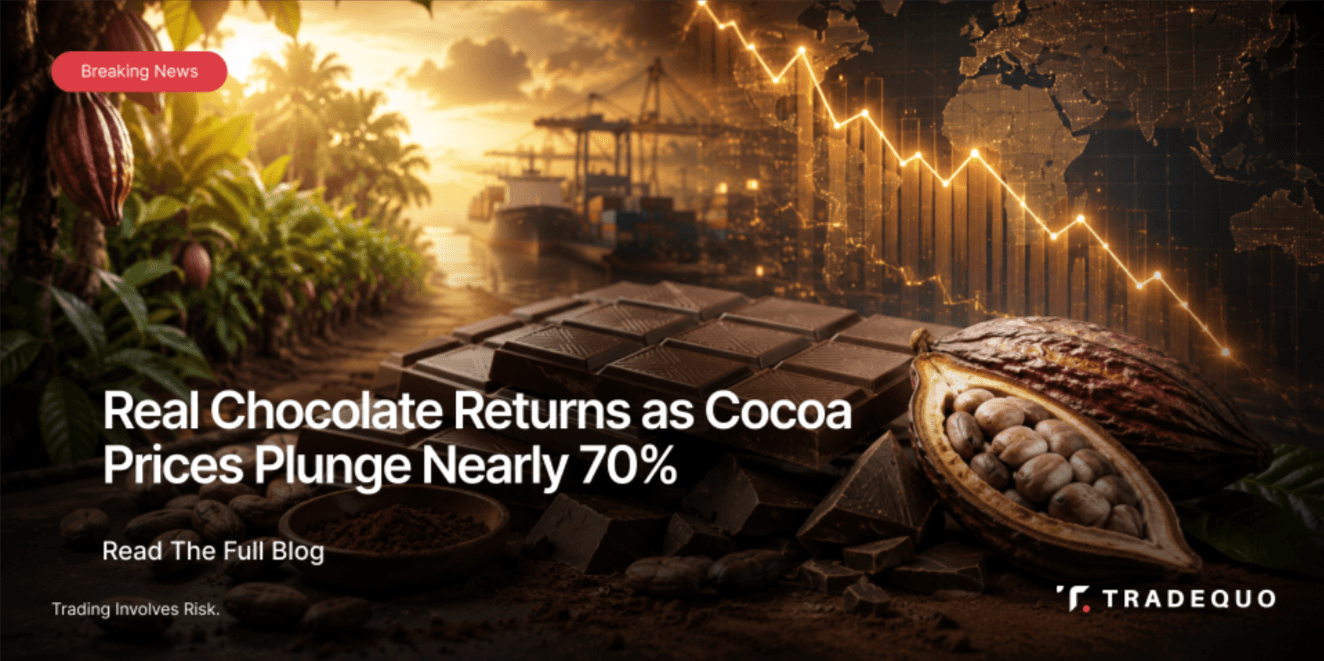
Любителі шоколаду мають чудові новини, оскільки ціни на какао нещодавно впали майже на 70 відсотків порівняно зі своїми максимумами кінця 2024 року. Ця суттєва зміна спонукала великих виробників шоколаду, зокрема Hershey, переглянути свої рецепти та збільшити вміст какао у своїх продуктах. Важливо розуміти, що какао та шоколад — це не одне й те саме. Какао починається з какао-стручків, що ростуть на шоколадному дереві, кожен з яких містить какао-боби, які необхідно ретельно зібрати, ферментувати, висушити та обсмажити, перш ніж вони стануть шоколадом. Цей процес дозволяє компаніям пропонувати насиченіші шоколадні плитки без суттєвого підвищення роздрібних цін для споживачів. Ці зсуви відображають ширші ринкові умови в торгівлі сировинними товарами, де коливання ф'ючерсів на какао впливають на продовольчу інфляцію, прибутковість компаній та стратегії ціноутворення для споживачів.
Від саджанців какао до готових шоколадних плиток
Шоколадна плитка, якою ви насолоджуєтеся, є лише однією з форм у довшому ланцюжку постачання, де кожен додатковий крок від бобу до шоколадної плитки збільшує вартість. Саджанці какао виростають у дорослі дерева, які дають жовті чи помаранчеві какао-стручки, що збирають, зрізаючи з дерева. Насіння всередині, відоме як какао-боби, проходить ферментацію та сушіння перед обсмажуванням і переробкою на шоколад. Традиційно фермери вирощують ці культури в тіні, що допомагає підтримувати якість і екологічність. На кожному етапі використовуються спеціалізовані інструменти та методи для зберігання й переробки бобів, що гарантує відповідність кінцевого шоколадного продукту стандартам якості.
Інвестиційні можливості на тлі змін на ринку какао
Нещодавнє зниження цін на какао є не лише перемогою для шанувальників шоколаду, але й відкриває потенційні інвестиційні можливості. Какао вирощують у понад 50 країнах-виробниках, проте більше половини світового постачання какао припадає на Західну Африку, зокрема Гану та Кот-д'Івуар. Нижчі ціни можуть спонукати виробників шоколаду нарощувати виробництво та впроваджувати нові продукти з вищим вмістом какао, стимулюючи попиту на самі какао-боби. Для інвесторів ця ситуація пропонує подвійну перевагу: отримання вигоди від зростання популярності насиченішого шоколаду та одночасне залучення капіталу на ринку какао, що відновлюється в процесі стабілізації. Однак важливо приймати рішення виважено, враховуючи ширшу економіку, зокрема добробут дрібних фермерів, коливання світового попиту та потенціал майбутньої волатильності цін, усе це може вплинути на інвестиційні стратегії.
Дрібні фермери, справедлива торгівля та проблеми дитячої праці
Оскільки виробники шоколаду реагують на ці зміни ринкової динаміки, перехід до насиченішого шоколаду може відновити інтерес та попит споживачів. Для дрібних фермерів, які вирощують какао, цей розвиток подій може стати можливістю стабілізувати свої джерела існування. Більшість посівів какао традиційно вирощують дрібні власники, які вирощують саджанці какао та керують своїми фермами з обмеженими ресурсами. Сильніші системи справедливої торгівлі какао допомагають гарантувати, що фермери отримують справедливу ціну, спрямовуючи більше грошей у їхні громади та зменшуючи тиск, з яким стикаються продавці, коли боби продаються великим покупцям у глобальному бізнесі, де бренди закуповують сировину у великих обсягах. На жаль, станом на 2017 рік близько 2,1 мільйона дітей у Гані та Кот-д'Івуарі були залучені до збору врожаю какао, перенесення важких вантажів та роботи у складних умовах. Звіт «Шоколадний барометр» за 2018 рік попереджав, що жодна компанія чи уряд не були близькі до усунення цього ризику через стійку бідність та зростаючий попит. Зрештою, це зрушення впливає не лише на шоколадні плитки, але й підкреслює складні зв'язки між товарними ринками, економікою та реальним досвідом як споживачів, так і виробників, що робить цю тему захоплюючою для шанувальників шоколаду, інвесторів та всіх, хто цікавиться глобальним какао-бізнесом.