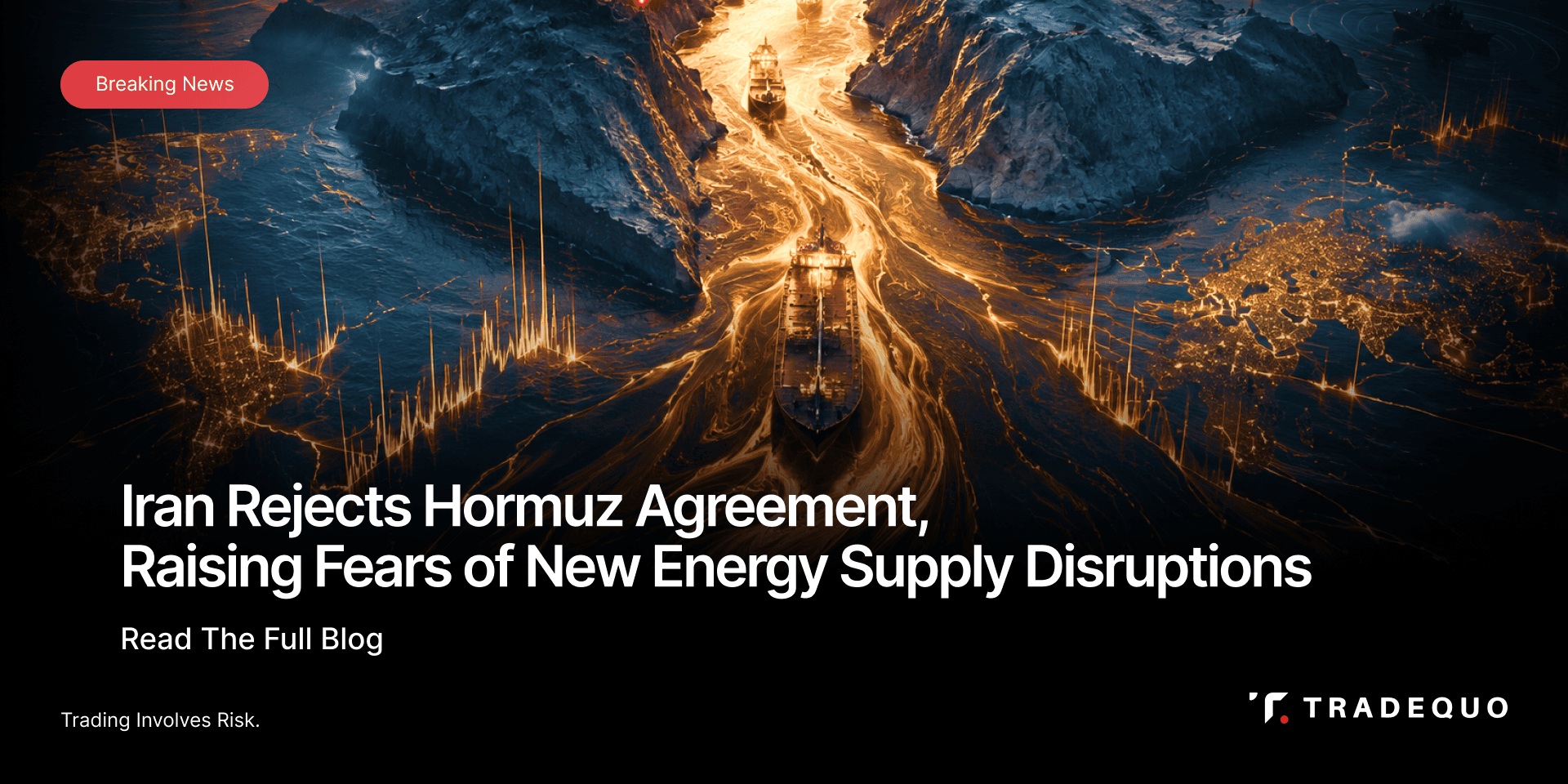
테헤란, 호르무즈 해협의 공동 통제를 제안한 오만의 제안을 거부하며 글로벌 에너지 공급에 대한 새로운 우려 제기
이란이 호르무즈 해협의 지역 공동 관리를 제안한 오만의 제안을 거부하면서, 세계에서 가장 중요한 해상 항로 중 하나에서 수개월간 이어진 혼란을 완화할 것이라는 희망이 무산되었습니다. 이 결정은 지역 전역의 군사적 긴장이 고조되어 유가가 급등하는 가운데 내려졌습니다.
주요 세부 사항
이란의 한 고위 관리는 로이터 통신과의 인터뷰에서 테헤란은 호르무즈 해협의 공동 관리를 도입하고 통과 선박에 자발적 수수료를 부과하는 오만의 제안에 관심이 없다고 밝혔습니다. 이란은 진입 항로와 진출 항로의 일부가 반드시 자국의 통제 하에 있어야 한다고 주장하고 있습니다.
이 관리는 또한 미국과 사우디아라비아가 오만을 압박하여 테헤란이 비현실적이라고 규정한 계획을 추진하도록 했다고 비난했습니다.
이란 혁명수비대(IRGC)는 세 대의 유조선이 경고를 무시하고 비안전하고 불법적인 항로를 이용했다는 이유로 이들을 나포했다고 밝혔습니다. 로이터는 이 주장을 독립적으로 검증할 수 없었습니다.
한편, 미국과 사우디아라비아는 사우디 석유 시설에 대한 드론 공격의 배후로 지목된 이라크 동부의 이란 연계 단체들을 공격했습니다. 이란은 개입을 부인하며 테헤란을 비난하는 것은 "중대한 오판"이 될 것이라고 경고했습니다.
최근의 긴장 고조로 에너지 공급에 대한 우려가 커지면서 유가는 배럴당 $3 이상 상승했습니다.
중요한 이유
호르무즈 해협은 정상적인 조건에서 전 세계 석유 및 액화천연가스 물동량의 약 20%를 처리합니다. 어떠한 차질도 글로벌 에너지 가격과 광범위한 금융 시장에 신속하게 영향을 미칠 수 있습니다.
투자자들은 외교적 회담이 재개될지 아니면 군사적 조치가 지속될지 예의주시할 것입니다. 호르무즈 해협의 미래는 글로벌 시장과 에너지 안보의 핵심 요인으로 남아 있습니다.
모든 헤드라인은 기회입니다 — 방관하지 마세요. TradeQuo에서 라이브로 거래하세요.
출처: 로이터
시간: 오전 11:00 EEST