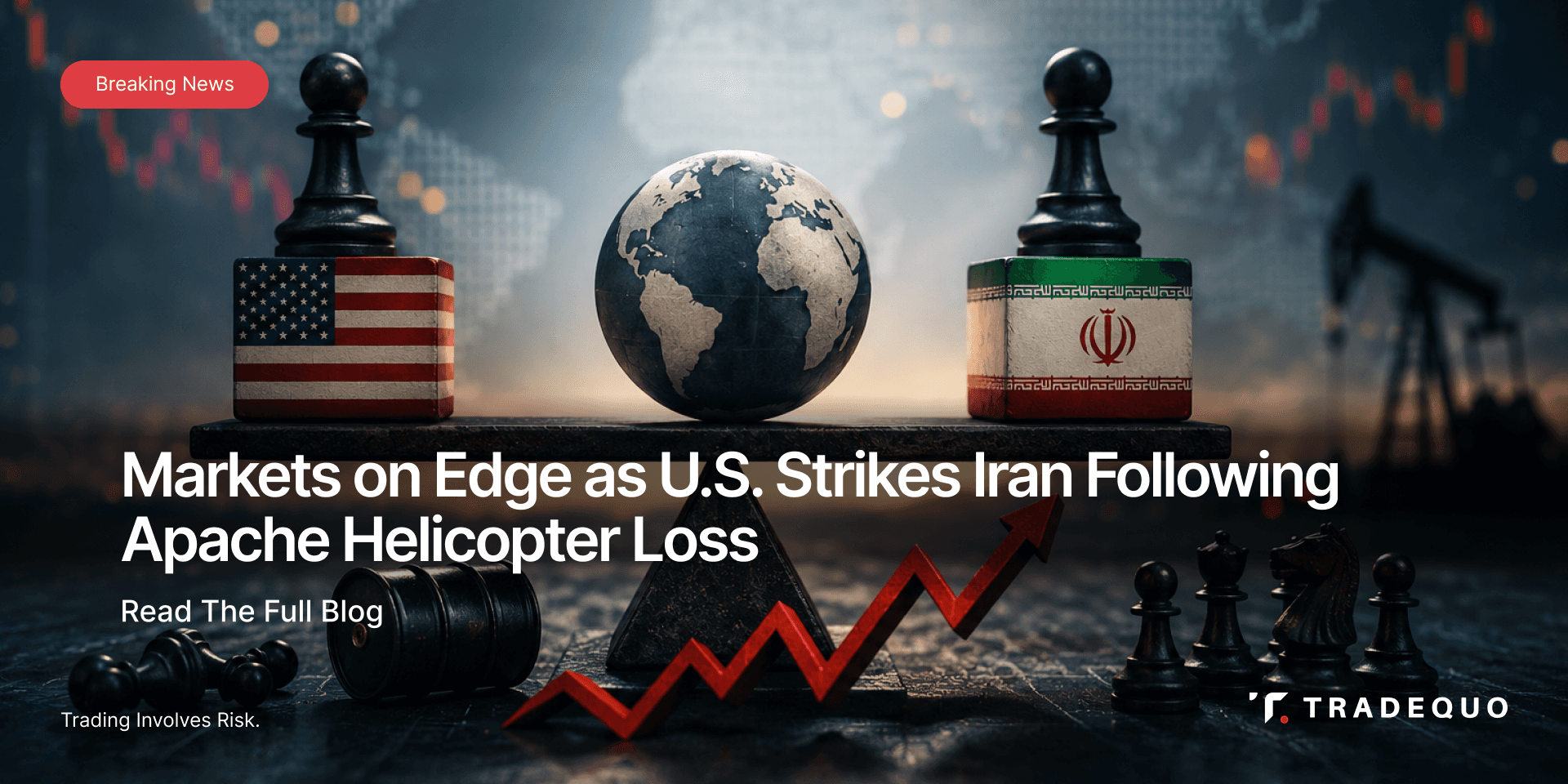
A escalada militar gera novas preocupações sobre a estabilidade no Oriente Médio e os mercados globais de energia.
Os Estados Unidos lançaram ataques militares contra o Irã na terça-feira, após Washington informar que um helicóptero americano Apache foi abatido enquanto patrulhava perto do Estreito de Ormuz. O confronto mais recente trouxe nova incerteza aos esforços diplomáticos já frágeis entre os dois países.
Detalhes Principais
De acordo com oficiais dos EUA, o helicóptero AH-64 Apache foi derrubado durante operações próximas à passagem estratégica. O presidente Donald Trump disse que os dois pilotos sobreviveram ao incidente e prometeu uma resposta. O Comando Central dos EUA confirmou posteriormente que havia iniciado o que descreveu como ataques de "legítima defesa" contra alvos iranianos.
Os militares dos EUA disseram que a operação foi uma resposta proporcional ao que chamaram de agressão injustificada do Irã. A mídia estatal iraniana relatou explosões perto da Ilha de Qeshm e da cidade portuária de Sirik, enquanto Teerã alertou que quaisquer novos ataques provocariam uma resposta decisiva.
Reação do Mercado
Os preços do petróleo subiram à medida que os operadores precificavam o risco de novas interrupções na região do Golfo. O petróleo Brent subiu 0,7%, para US$ 92,11 o barril, enquanto o West Texas Intermediate (WTI) dos EUA subiu 0,7%, para US$ 88,80. As bolsas de valores asiáticas operaram em baixa à medida que os investidores migravam para ativos mais seguros diante das crescentes tensões geopolíticas.
Por Que Isso Importa
O Estreito de Ormuz continua sendo uma das rotas de transporte de energia mais importantes do mundo. Qualquer escalada envolvendo o Irã e os Estados Unidos pode afetar o fornecimento de petróleo, as expectativas de inflação e o sentimento de risco nos mercados globais.
Os operadores estarão atentos para ver se os ataques mais recentes levarão a uma retaliação mais ampla ou a novos esforços diplomáticos. Os desdobramentos no Golfo, juntamente com as variações nos preços do petróleo, devem continuar sendo os principais motores do mercado nos próximos dias.
Fique à frente de cada notícia que move o mercado - comece a operar com uma corretora feita para momentos como este: TradeQuo.com