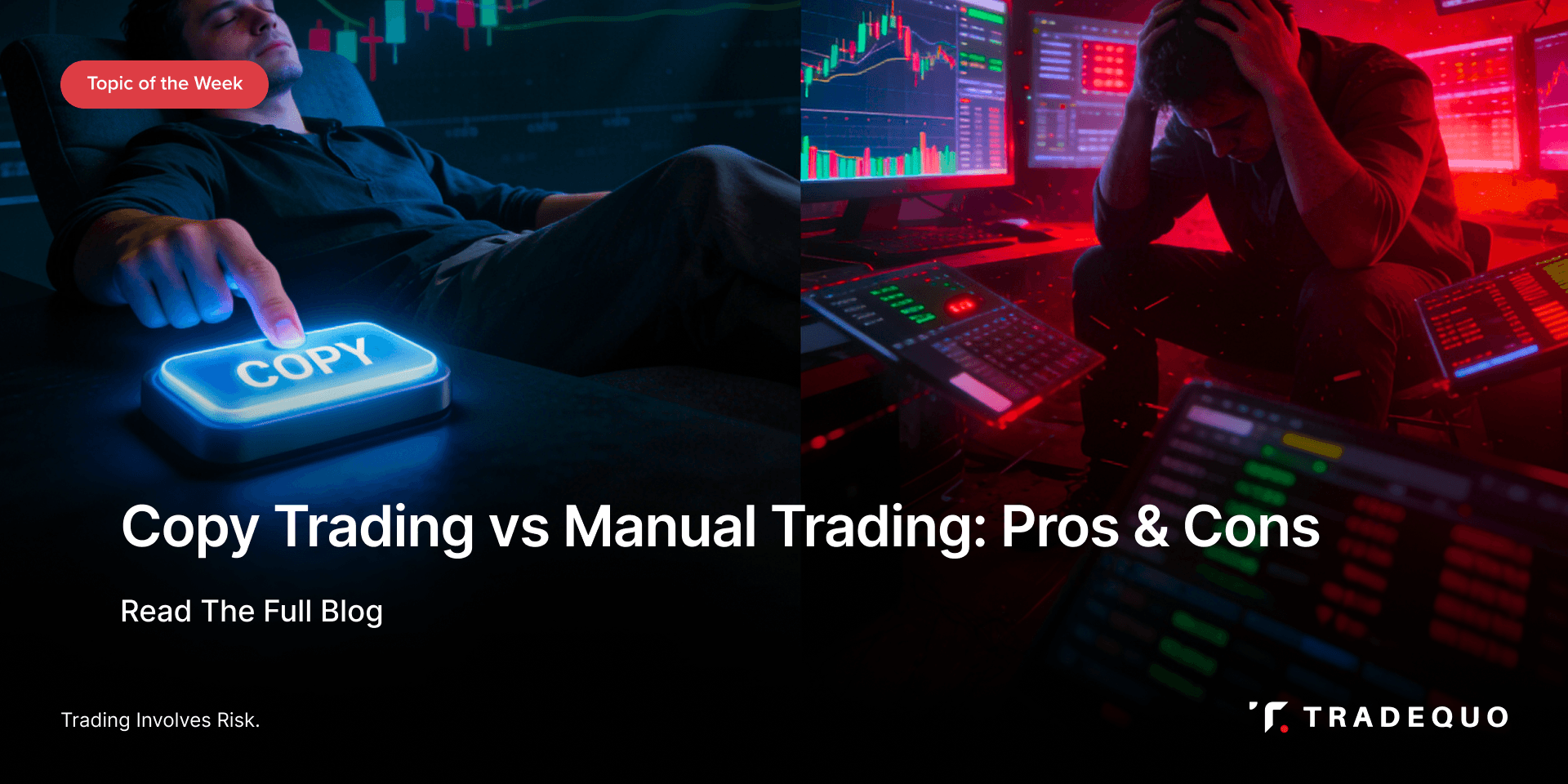
Finansal piyasalara nasıl katılacağınızı seçmek, herhangi bir yatırımcının alacağı en önemli kararlardan biridir. Kopya ticareti ve manuel ticaret, temelde iki farklı felsefeyi temsil eder ve her ikisini de anlamak size zaman, para ve hayal kırıklığı tasarrufu sağlayabilir.
Kopya ticareti, yatırımcıların deneyimli yatırımcıların işlemlerini otomatik olarak kopyalamasına olanak tanırken, manuel ticaret her kararı doğrudan sizin ellerinize bırakır. Hiçbiri evrensel olarak diğerinden daha iyi değildir. Önemli olan, her bir yaklaşımın zamanınız, beceri seviyeniz ve yatırım hedeflerinizle nasıl uyum sağladığıdır.
Bilinçli bir seçim yapabilmeniz için her ikisini de dürüstçe analiz edelim.
Kopya Ticareti Nasıl Çalışır ve Kimlere Hitap Eder?
Kopya ticareti tam olarak adının çağrıştırdığı şeydir. Hesabınızı bir veya daha fazla deneyimli yatırımcıya bağlarsınız ve platform onların etkinliklerini gerçek zamanlı olarak yansıtır. Takip ettiğiniz kişi Bitcoin satın alırsa, hesabınız da Bitcoin satın alır. Kâr elde etmek için bir pozisyonu kapatırlarsa, hesabınız da aynısını yapar. Bu, piyasa analizinin karmaşık işini pasif bir deneyime dönüştürerek sadeliğin hizmetine sunulan bir otomasyondur.
Uzun bir süre boyunca, en iyi fon yöneticilerinin becerilerine erişmek yalnızca zenginlerin ayrıcalığıydı. Kopya ticareti araçları bu erişimi demokratikleştirdi. Bugün, bir akıllı telefonu ve küçük bir depozitosu olan herkes profillere göz atabilir, risk skoru ve geçmiş düşüşler gibi istatistikleri görebilir ve sermayesinin bir kısmını kimin yöneteceğine karar verebilir. Bu durum, mum grafiği formasyonlarını veya ekonomik raporları okuma fikrinden bunalan yeni yatırımcılar için burayı inanılmaz derecede erişilebilir bir giriş noktası haline getiriyor.
Kopya Ticaretinin Temel Avantajları
Buradaki en belirgin fayda, geri kazandığınız zamandır. Hayat yoğun. Tam zamanlı bir işiniz, bir aileniz olabilir veya likit piyasaları saniye saniye izleyen dört monitörün önünde oturmak istemeyebilirsiniz. Kopya ticareti sizi o sandalyeden kurtarır. Programınızı tüketmesine izin vermeden piyasalara maruz kalmanızı sürdürmenize olanak tanır.
Bir de eğitim faktörü var. Dikkat ederseniz, kopya ticareti canlı bir sınıfa dönüşür. Başarılı yatırımcıların piyasa değişikliklerine nasıl tepki verdiğini, zarar durdur emirlerini nereye koyduklarını ve pozisyonları nasıl ölçeklendirdiklerini izlemek, karanlıkta el yordamıyla öğrenilmesi yıllar alacak değerli bilgiler edinmenizi sağlar. Uzman stratejilerinin kendi hesabınızda nasıl uygulandığını görme şansına sahip olursunuz, bu da sonunda manuel ticaret yapmaya karar verdiğinizde kendi düşüncelerinizi şekillendirebilir.
Çeşitlendirme bir diğer önemli avantajdır. Tüm inancınızı tek bir kişiye bağlamıyorsunuz. Sermayenizi farklı tarzlara sahip birden fazla yatırımcıya yayabilirsiniz. Bu, akıllı risk yönetiminin temel taşıdır.
Kopya Ticaretindeki Riskler
Ancak madalyonun diğer yüzü konusunda da dürüst olalım. En büyük tuzak, zahmetsizlik yanılsamasıdır. Ayarlayıp unutmak kolaydır, ancak bu felaketin reçetesidir. Geçmiş performans bir kristal küre değildir. Geçen ay kopyaladığınız ve %20 getiri sağlayan yatırımcı, piyasa trendlerindeki bir değişim veya bir muhakeme hatası nedeniyle yarın hesabını sıfırlayabilir. Eğer izlemiyorsanız, onlarla birlikte batarsınız.
Ayrıca kontrolü de devrediyorsunuz. Belki de takip ettiğiniz yatırımcı, kazanç raporundan hemen önce bir kuruşluk hisse senedine girmeye karar verir. Hangi işlemlerini kabul edeceğinizi seçemezsiniz; çökmeler de dahil olmak üzere tüm yolculuk boyunca onlarla birliktesinizdir. Burada psikolojik bir sürtüşme de var. Kendi açtığınız bir işlemde para kaybederseniz, bir şeyler öğrenirsiniz. Başka biri aptalca bir hareket yaptığı için para kaybederseniz, sadece çaresiz ve öfkeli hissedersiniz. Ve ücretleri de unutmayın. Birçok işlem sinyali sağlayıcısı, karlardan pay alır ve bu da zamanla getirilerinizi azaltabilir.
Akıllıca Nasıl Seçilir?
Kopya ticareti yoluna gitmeye karar verirseniz, buna bir çalışan işe almak gibi yaklaşın. Sadece aylık getirisi en yüksek olan kişiyi seçmeyin; bu genellikle sadece en riskli işlemi yapan kişidir. İstikrara bakın. Geçen yılki ayı piyasasında nasıl davrandıklarına bakın. Panik mi yaptılar yoksa riski bir profesyonel gibi mi yönettiler? Platformun filtrelerini kullanarak risk skorlarını ve geçmiş performans sürelerini kontrol edin. Ve her şeyden önce, bir hisse senedi portföyünü çeşitlendirir gibi kopya yatırımcılarınızı da çeşitlendirin.
Manuel Ticaret Nedir ve Bazı Yatırımcılar Neden Bunu Tercih Eder?
Kopya ticareti otomatik pilotsa, geleneksel ticaret uçağı kendiniz uçurmaktır. Kendi işlem becerilerinizi geliştirmenizi, kendi teknik analizinizi ve temel analizinizi yapmanızı ve her bir giriş ve çıkışta son kararı vermenizi gerektirir. Daha zor, daha yavaş ve genellikle daha sinir bozucudur, ancak birçoğu için gerçek hissettiren tek yol budur.
Manuel ticaret sadece para kazanmakla ilgili değildir; ustalıkla ilgilidir. Başka birinin başarısını izlemek ile saatler süren araştırmaların ardından verdiğiniz bir işlem kararı sayesinde başarılı olmak arasında derin bir fark vardır. Manuel ticaret yaptığınızda, her işlem disiplininizin, işlem stratejinizin ve piyasa sizi sarsmaya çalıştığında soğukkanlılığınızı koruma yeteneğinizin bir yansımasıdır.
Manuel Ticaretin Avantajları
Buradaki en belirgin avantaj özerkliktir. Gece saat 2'de jeopolitik bir haber flaşı göründüğünde, seçtiğiniz gurunun uyanıp tepki vermesini beklemek zorunda kalmazsınız. Pozisyonunuzu hemen kapatabilirsiniz. Pozisyon büyüklüğünüzü o anki hislerinize veya volatilitedeki değişime göre ayarlayabilirsiniz. Anında yön değiştirme yeteneği, hiçbir kopya ticareti kurulumunun sunamayacağı bir şeydir.
Geleneksel ticaret sizi büyümeye de zorlar. Başka birinin geçmiş performansının arkasına saklanamazsınız. Kaybettiğinizde aynaya bakmalı ve nedenini bulmalısınız. Analiz mi yetersizdi? Korkunun sizi çok erken çıkmaya zorlamasına izin mi verdiniz? Bu dersler, ne kadar acı verici olsalar da, amatörleri profesyonellerden ayıran türde bir direnç ve sezgi oluşturur. Zamanla, kişiliğinize uygun benzersiz bir işlem tarzı geliştirirsiniz; bu, bir yabancıyı kopyalayarak asla elde edemeyeceğiniz bir şeydir.
Manuel Ticaretin Zorlukları
Ancak bunu çok fazla romantikleştirmeyelim. Manuel ticaret yıpratıcı bir iştir. Piyasa hareketlerini sürekli izlemenizi, haberleri okumanızı ve tezinizi güncellemenizi gerektirir. Bir işiniz veya aileniz varsa, bu yorucu olabilir. Piyasa, saat 15:00'te bir toplantınız olmasını umursamaz; tam o anda ani bir çöküş yaşanabilir. Bu zaman taahhüdü, insanların pes etmesinin veya bırakmasının bir numaralı nedenidir.
Bir de içerideki düşman var: kendi beyniniz. Manuel ticaret yapmak, korku, açgözlülük ve umutla güreşmek anlamına gelir. Geri çekilmeden korktuğunuz için kazanan işlemleri erken keseceksiniz ve geri dönüş için dua ettiğiniz için kaybeden işlemleri çok uzun süre tutacaksınız. Bu duygusal önyargı, kötü analizlerin şimdiye kadar yol açtığından daha fazla hesabın sıfırlanmasından sorumludur. Bir makinenin soğuk mantığıyla ticaret yapmak yıllarca pratik gerektirir.
Hayatta Kalmak İçin Planlama
Manuel yolu seçerseniz, daha "satın al" seçeneğine tıklamadan önce kesinlikle bir planınız olmalıdır. İşlem aktif hale gelmeden önce girişinizi, çıkışınızı ve durdurma noktanızı bilmeniz gerekir. İşlem başına kaybınızı hesabınızın küçük bir yüzdesiyle sınırlayan sağlam bir risk yönetimi stratejisine ihtiyacınız var. Bu korkuluklar olmadan ticaret yapmıyorsunuz; kumar oynuyorsunuz demektir.
Önem Taşıyan Temel Farklar
Kopya ticareti ile manuel ticareti karşılaştırırken, doğru seçim mevcut yaşam tarzınıza ve uzun vadeli hedeflerinize bağlıdır. Kopya ticareti büyük ölçüde pasif bir çabadır ve bu da onu tam zamanlı çalışanlar veya gelirlerini çeşitlendirmek için düşük çaba gerektiren bir yaklaşım isteyen yeni başlayanlar için ideal kılar. Otomasyon yoluyla daha hızlı uygulama sunar ve yatırımcıların yılların deneyimine ihtiyaç duymadan uzman stratejilerinden yararlanmalarını sağlar. Temelde kendi hesabınızı büyütmek için diğer kullanıcıların yeteneklerinden yararlanmanın bir yoludur.
Öte yandan, manuel ticaret bir ustalık arayışıdır. İnsan hatası potansiyeli açısından daha fazla risk gerektirse de, nihai esnekliği sağlar. Kendi kar emirlerinizi belirleyebilir, kendi zarar durdurmalarınızı yönetebilir ve pozisyon büyüklüğünüzü kendi sezgilerinize göre ayarlayabilirsiniz. Kopya ticareti platformları, zarar durdurma limitleri gibi yerleşik risk yönetimi araçları sunarken, manuel ticaret üçüncü bir tarafın tepki süresine bağlı olmayan anında ve kişisel ayarlamalara olanak tanır.
Özellik | Kopya Ticareti | Manuel Ticaret |
Kontrol | Sınırlı; başkalarını takip etme | Tam; eksiksiz özerklik |
Gerekli Zaman | Düşük; otomatik uygulama | Yüksek; yoğun izleme |
Beceri Seviyesi | Başlangıç dostu | Gelişmiş; uzmanlık gerektirir |
Öğrenme | Gözlemsel | Pratik deneyim |
Risk | Başkalarının performansına bağlı | Kişisel hata ve disiplin |
Başarıya Giden Yolunuzu Seçmek
Bu iki yöntem arasındaki tartışmada objektif bir kazanan yoktur. Aslında birçok modern yatırımcı artık hibrit bir yaklaşım benimsiyor. Bu, yatırımcıların istikrarlı bir çeşitlendirme için sermayelerinin bir kısmını kopya ticareti yoluyla yönetmelerine izin verirken, hesaplarının geri kalanını manuel ticaret pratiği yapmak için kullanmalarını içerir. Bu "her iki dünyanın da en iyisi" stratejisi, profesyonellerden edinilen değerli bilgileri kendi bağımsız işlemlerinizi şekillendirmek için kullanarak öğrenirken kazanmanıza olanak tanır.
Nihayetinde kararınız, risk toleransınıza ve grafiklerin önünde gerçekçi olarak ne kadar zaman geçirebileceğinize bağlı olmalıdır. Bugün ticarete başlamanın basit bir yolunu arıyorsanız, sosyal ticaretin otomatik doğasını yenmek zordur. Uzman olma arzusuyla hareket ediyorsanız ve finansal geleceğiniz üzerinde tam yetki istiyorsanız, manuel ticaret gitmeniz gereken yoldur. Hangi yolu seçerseniz seçin, tutarlı risk yönetiminin her başarılı ticaret yolculuğunun temel taşı olduğunu unutmayın. Size uygun dengeyi bulmak için TradeQuo adresindeki gelişmiş kopya ticareti araçlarını ve eğitim kaynaklarını keşfedebilirsiniz.