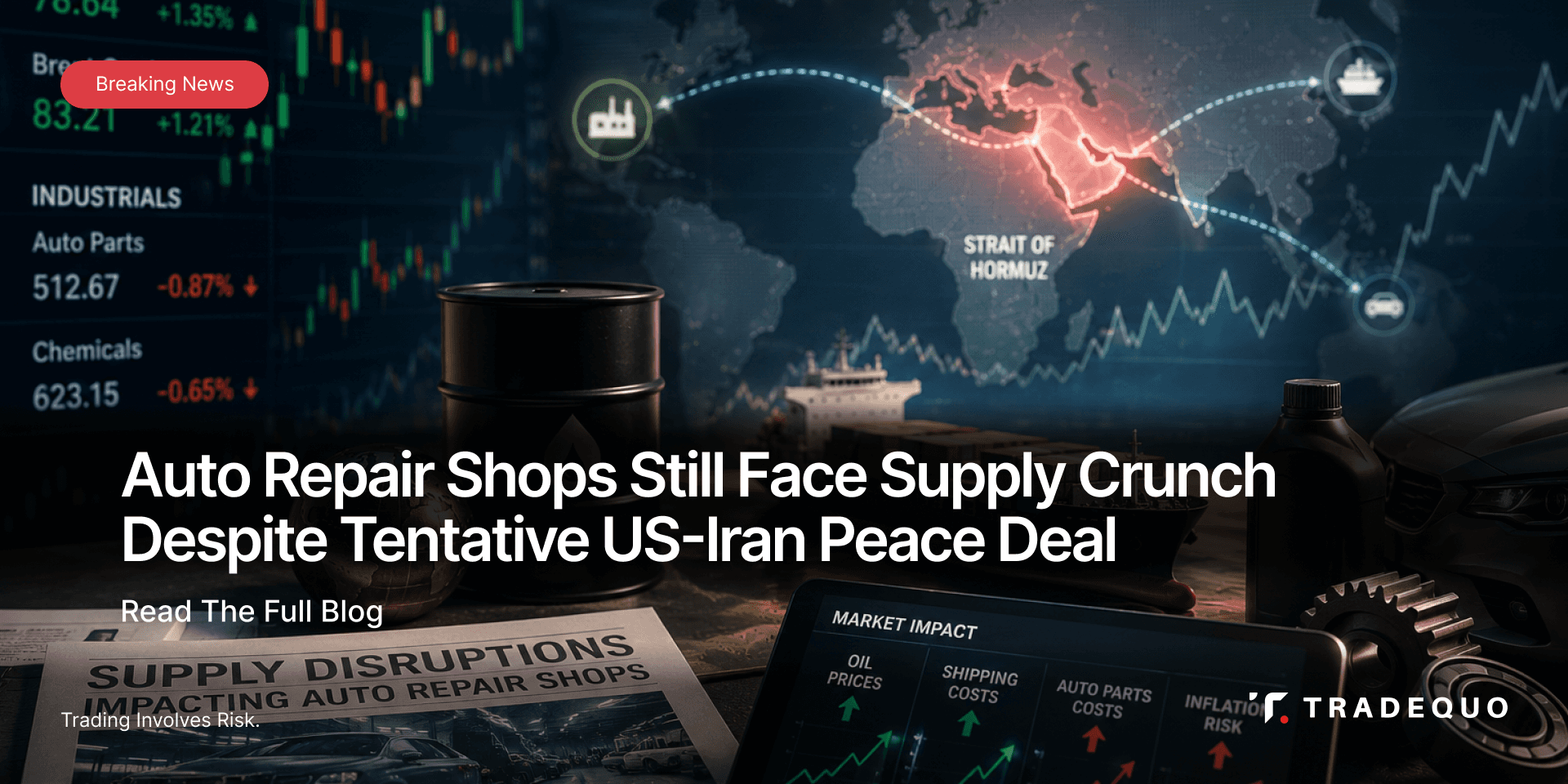
A possible end to the conflict may ease pressure on global supply chains, but shortages and higher costs are expected to linger well into 2027.
A preliminary agreement between the United States and Iran has raised hopes that global trade routes could return to normal. However, auto repair shops in Japan and the United States say relief is unlikely to arrive anytime soon after months of disruptions caused by the conflict.
The shutdown of the Strait of Hormuz created major supply bottlenecks for petroleum-based products used across the automotive industry.
KEY DETAILS
Repair shops in Tokyo have reported shortages of motor oil, paint thinner, diesel exhaust fluid, and specialty automotive paints since the conflict began in March.
At Tokyo-based Shin Etsu Denso, director Hiroyuki Nakamura said motor oil supplies have been nearly exhausted, marking the first such shortage he has seen in 35 years in the industry.
The situation has become especially challenging for shops working on Japan’s popular pearl white vehicles. Fuchu Car, a repair business near Tokyo, has struggled to secure enough pearl finish coating, with one small bottle lasting roughly two weeks. Around one-third of the shop’s 160 monthly repair jobs involve pearl white cars.
In the United States, supply disruptions have affected raw materials used in lubricants and coatings. Industry groups warn lubricant prices may remain elevated until at least mid-2027. Nissan has already introduced oil-rationing measures at U.S. dealerships, while some Suzuki dealers have temporarily suspended new oil-change bookings.
MARKET REACTION
Oil-related supply concerns continue to weigh on automotive supply chains. While the proposed peace deal could improve sentiment across energy and transportation markets, businesses remain cautious as inventories stay tight and costs remain elevated.
WHY IT MATTERS
For traders, the story highlights how geopolitical events can continue affecting manufacturing, logistics, and inflation long after headlines fade. Ongoing shortages could influence automotive stocks, energy markets, and supply-chain-sensitive sectors.
Markets will now watch whether the US-Iran agreement leads to a full reopening of trade routes through the Strait of Hormuz and how quickly critical industrial supplies begin flowing again.
Stay ahead of every market-moving headline - start trading with a broker built for moments like this: TradeQuo.com